March 2026

Madrid Madness

We started with a morning wandering through the still quiet streets of Madrid before we met our very informative guide for our food tour.

During the food tour not only did we taste delicious and iconic dishes, we also learned a lot about the city itself.

After the tour we thought it prudent to waddle around a bit to get some of all that deliciousness processed, since we had a great dinner planned.

We walked across the much busier city now to the quiet botanical gardens next to the Prado Art Museum.

On our way back to the hotel we noticed the sidewalks are getting more and more packed with people. Little did we know that it was part of the nearly a quarter of a million people waiting for one of the largest St. Patrick’s Day celebrations in Europe.

Our hotel, with balcony, overlooks the Gran Via which is the main parade route. Once upstairs we poured some wine and watched the parade from up high, like royalty.

Early morning Madrid

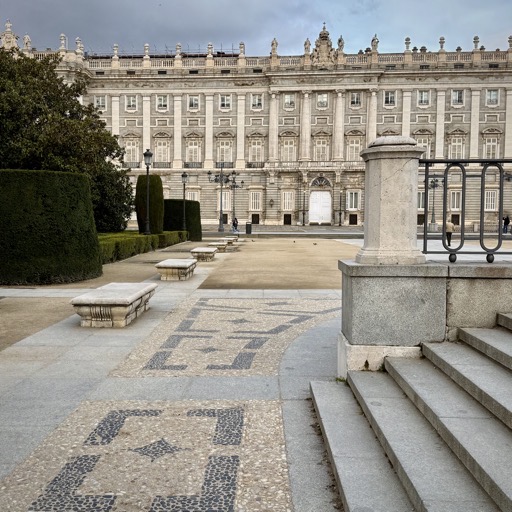
The Royal Palace of Madrid is the official residence of the Spanish royal family and is used primarily for state ceremonies. With over 135,000 m² and 3,418 rooms, the Royal Palace of Madrid is the largest royal palace in Europe and one of the largest in the world.

THE ORIGIN OF THE WORD MAJRIT

The ancient city of Majrit was founded on land under which many underground aquifers flowed, by a stream that ran along what is now Calle de Segovia, making this a privileged location. In fact, the word Majrit is a hybrid between the Arabic word, “Majra”, which means waterway of course, and the Romance suffix “it’s which indicates abundance; hence the meaning is a place of abundant waters”. Indeed, Majrit was traversed by numerous underground Water channels or conduits, known as qanats, which supplied the population with water and also irrigated the croplands.

The facade is painted!

The Plaza Mayor is the principal public square in the heart of Madrid, the capital of Spain and it was once the centre of Old Madrid.

The Mercato de San Miguel is a stunningly beautiful market in the heart of Madrid.

It now consists of mostly tapas stalls with unusual bites and little bar counters.

Tapas

Meat to go for a snack while you walk.

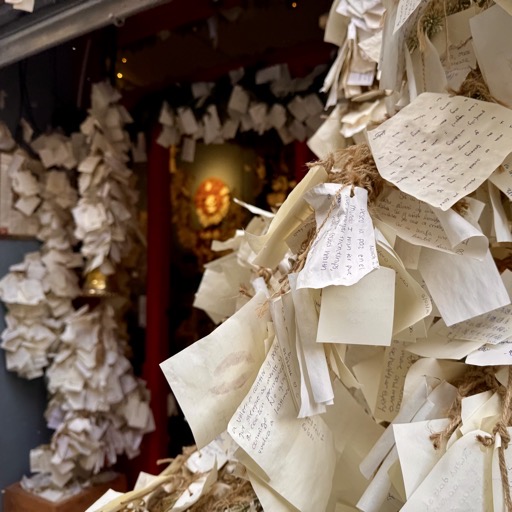
A store where people write their wishes and stick them to a wall. There were many thousands of notes.

Our first stop on the food tour.

Our first sample was Iberian ham, which comes in three qualities, diced tomatoes in oil for the bread, and a glass of Cava.

We got to try and cut the ham ourselves. It looks a lot easier than it is!

The oldest door in the city still dates from the time of the Moors.

Next stop.

Our drink was a local drink similar to sangria but with no fruit called Tindo de Verano.
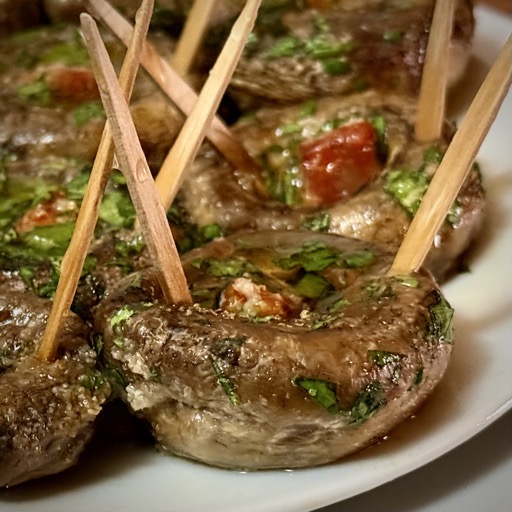
Fried mushrooms with garlic and chorizo.

Grilled padron peppers.

The oldest continuously operating restaurant in the world. They even had the certificate from Guiness that says that!

Next stop looks a little crazy.

The mass of people trying to order. The lines went around the block.

This is what all those people wanted. The most amazing calamari sandwich.

The location where the iconic dish Patas Bravas was invented.

La Casa de Abuelo is next on the list.

It is a little loud and crazy in here!

The famous garlic shrimp. We had a dry vermouth with lemon as our drink.

Time for something sweet to end the tour.

The entrance to the store has a view to a crypt. Very disconcerting.

Truffles and little pieces of chocolate called ‘Cat’s Tongue’

Drinking chocolate.

Stopped for a drink on the walk.

The Royal Botanical Garden (RJB) is a privileged historical space located in the heart of Madrid. It was inaugurated in its current location in 1774, during the reign of Charles III.

It is part of the Spanish National Research Council (CSIC), Ministry of Science and Innovation, and is recognized as an Artistic Garden and National Monument.

From February 13th to May 17th 2026, the work of Dutch artist and activist Claudy Jongstra and renowned Spanish fashion designer Marcos Luengo, alongside digital artist Ivan Puñal will be presented in collaboration with Villa del Arte Galleries at the emblematic Real Jardín Botánico de Madrid.

The exhibition, Día y Noche. Ritmos del alma connects the art of Luengo and Jongstra with the world of plants in the botanical garden and will follow the rhythm of day and night. The cycle of life is all around us omnipresent in different shapes and forms; we can experience it in the ebb and flow of the seasons, or the ever-returning night and day. Plants, like all life on earth, are affected and influenced by this cycle of dark and light, and their sap flows from roots to crown following this rhythm. In a world that increasingly values efficiency and economic gain, there is diminishing space and appreciation for the time, knowledge and intuition it takes to follow and work with this rhythm.

For as long as we can remember plants have been used by mankind to produce the most beautiful colours, from the lightest and brightest yellows, greens and pinks to the deepest, darkest blues and blacks. In her work, Jongstra celebrates the whole colourful spectrum of these plants and their dyes, many of which can be found in the Real Jardín Botánico. But her art is not just a celebration of colour, it also addresses urgent themes such as ecology, the loss of biodiversity, and creates awareness about how we can revitalize rural communities and preserve natural heritage, whilst questioning issues such as waste wool and the impact on the environment.

Watching the St. Patricks day parade from our balcony, once we were able to elbow our way through the quarter of a million people attending to make it to our hotel.

Everybody is a little Irish on St. Patrick’s Day

Madrid Madness Read More »

Flamen for Madrid

We left the ship early morning and went directly to the train station.

The trip through the countryside was fast and fun, except maybe for the included lunch. The wine was good, though.

We arrived in Madrid and immediately went down to the jam-packed metro to make it to the location of our hotel.

It is a great hotel and our room has a balcony overlook the Grand Via. It is like getting a hotel in Times Square overlooking Broadway.

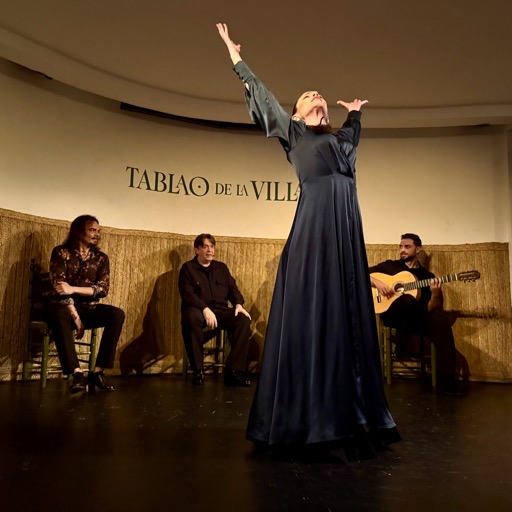
After strolling around experiencing the sights and sounds of the city, we headed off to our Flamenco Dinner experience.
And what an experience that was!

The drama and passion and energy of the performance is impossible to capture with a photo.

The city at night was buzzing with energy and we strolled around for quite a while absorbing and walking off all that food.

Buenas noches, Madrid!

Good morning and goodbye, Barcelona.

We got up to speeds of 276km/h

In Madrid.

Our great little hotel.

We have a balcony!
The view of the Grand Via from outside our room.

Quieter side streets.

The defining essence of Ancien Régime Madrid, the cause of its greatest glories and worst misfortunes, can be traced back to 1561, when a humble Castilian town became the permanent royal seat of one of Europe’s first absolute monarchies.

Madrid thus became the capital of an empire which, in addition to the kingdoms of Iberia, encompassed Italy and the Spanish Netherlands as well as the vast and variegated overseas dominions of the Indies

View of Madrid from our rooftop bar.

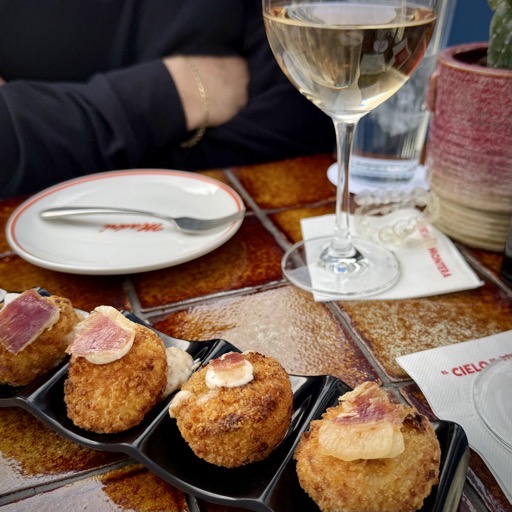
Our first tapas in Spain!

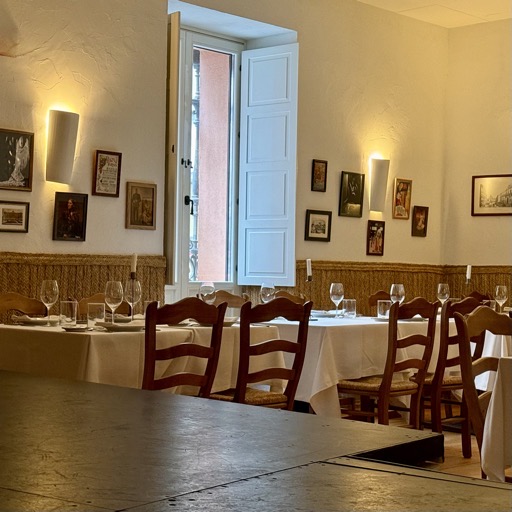
Flamenco dinner

Our table was against the stage.

Passionate and demanding.

The hardest working performer in the show!

Olè!

We are still surprised how many actual bookstores there still are in Europe.

Flamen for Madrid Read More »

A Lot of Gaudi-ness

The focus of today’s trip was all about Gaudi and his architecture.

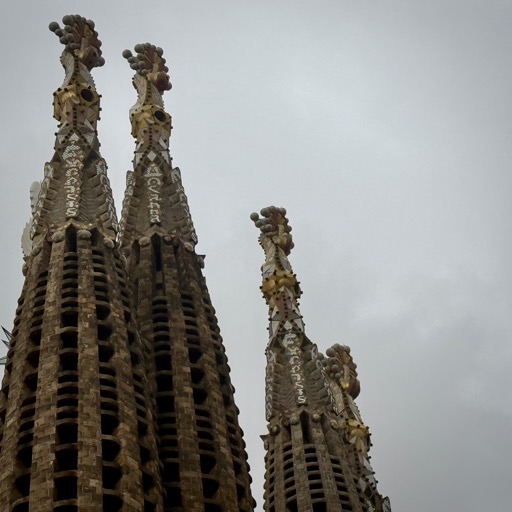
Our first stop was of course his pièce de résistance, the La Sagrada Familia. It is the largest Catholic church in the world under construction. Building started in March 1882 and a few weeks ago, on February 2026, it became the tallest church in the world. There is still many years of construction to go.

The outside is very ornate and tells all these biblical stories in dioramas of stone.

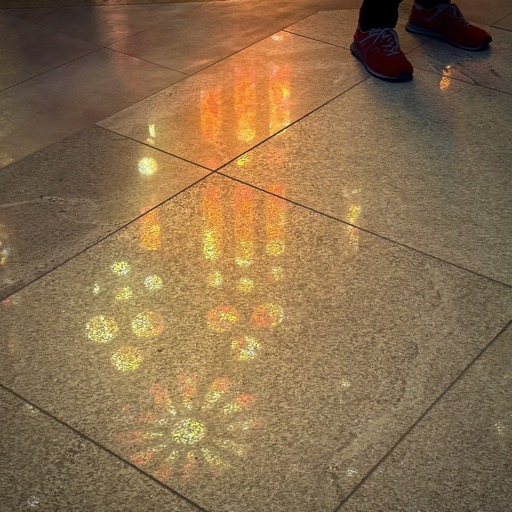
It is the inside that takes your breath away and makes you feel that you have been transported to a different place and time.

To quote: “It is a monument to Light”

And everything you see has a symbolic attachment to faith.

After a drive through town past some of Gaudi’s other great pieces, we got to Park Guell where he was commissioned to do a neighborhood of whimsical places in a park for the Nouveau Riche.

A fascinating day.

Barcelona morning.

The city is full of art everywhere.

Keep seeing faces in the architecture.

There is no photo that can convey the sheer drama and transformation entering this space.

The smaller part under the main church.

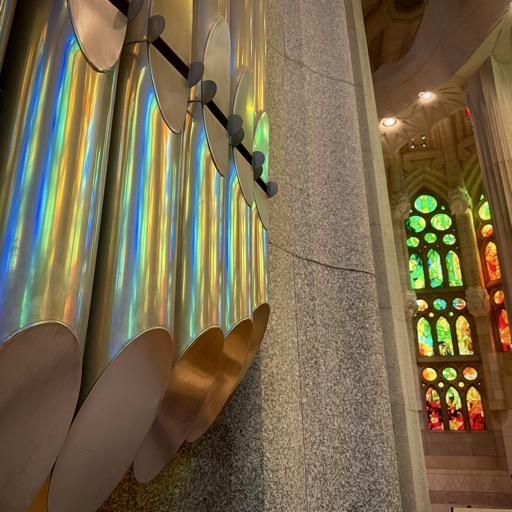
A monument to light.

It is a massive organ that was being played while we were there. The acoustics were astounding.

The locals lovingly call this building ‘The Suppository’

This house was commissioned to tell the story of St. George slaying the dragon. You can see the roof with the tiles as well as the balcony ‘skulls’. The chimney is the sword that he used.

At some point these Argentinian Parrots were released and they have now become an invasive pest.

The house in Park Guell that Gaudi lived in for a few years.

Park Güell has its origins in an urban development project that was awarded to Antoni Gaudí by Eusebi Güell, a prominent Catalan industrialist whose plan was to build 61 houses for well-to-do families, along with a network of roads, viaducts and stairs to make it easier to get around the hilly terrain. Güell wanted to recreate the British residential parks and locate homes close to nature. Hence why he called it Park Güell.

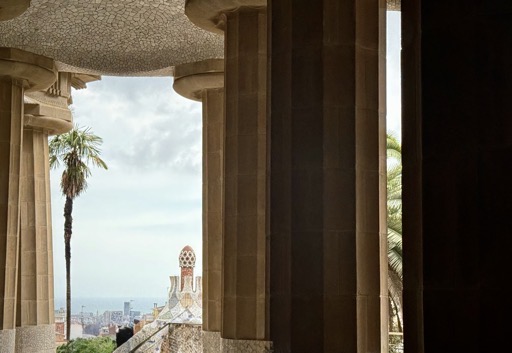
Work began in 1900 and finished in 1914 with the construction of the pillared hall (hypostyle hall) and the bench.

The Park is organised around a central core of monuments: the staircase, the pillared hall and the square.

Work came to an end and in 1922, following the failure of the urban development project, Güell sold the Park to the City Council, which opened it to the city as a public park.

1969 – Declared a historical-artistic monument by the Spanish government

1984 – Declared World Heritage by UNESCO

1993 – Declared Cultural Asset of National Interest by Catalonia’s autonomous government.

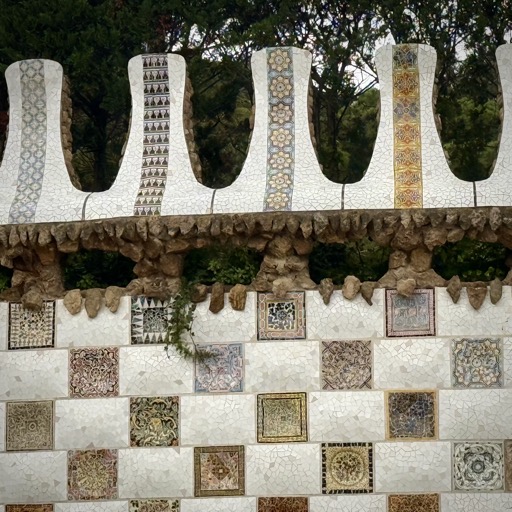
The reception building as you entered the main gate.

The roof of the guard house.

Inside each if these columns is a pipe that funnels rain water from the catch basin above into the reservoir.

Gaudi was a pioneer in recycling.

Part of the wavey bench that surrounds the central space. He said that if the bench is straight people ignore each other, but on a wavey bench you are forced into groups facing each other.

To mis-quote Gaudi himself:
“Beauty is not a question of money, beauty is a statement of art.”

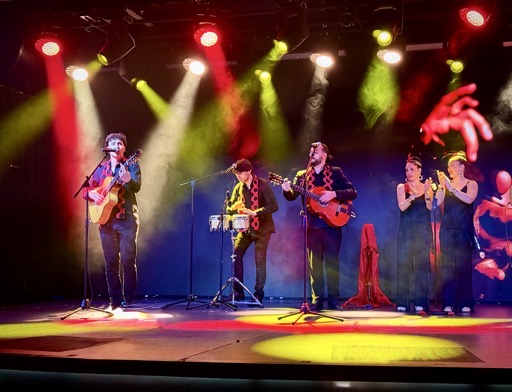
Oir final show on the ship was a Catalan Rumba show. It was high energy and full of fun.

A Lot of Gaudi-ness Read More »

The Perfect Sète-ing

Our tour today started with a very informative stroll through the town of Sète.

It was settled more than two thousand years ago by the Greeks because of the hill surrounded by water that was easy to defend. The name Sète is derived from an old Roman word that means ‘whale’ since the Mont St. Claire hill looked like a whale to the sailors.

This is also the end point of the canal that was built by the french king to connect the North sea to the Mediterranean. There are now many canals so the town is also known as the ‘Venice of the Languedoc’ They also have a yearly ‘canal jousting’ competition.

The town sits next to the Ètand de Thau, a saltwater lagoon, where there are more than two thousand oyster beds. One of the main industries in town.

The other is of course wine, since it is the closest port to the Languedoc wine region.

After our city tour we were off to an oyster farm to get a closer look. Included was also an oyster tasting with a local wine which paired very well.

We watched the worker as she cemented baby oysters to a string. This will then hang in the lagoon for about three years before they get harvested.

Since there is no tide here, they never get out of the water and thus do not grow the strong muscle to close up, which makes them a lot softer.

The oyster place was dark and industrial and we were getting worried about where we were going to do the tasting. Our guide took us to a set of stairs and like a true speakeasy, it opened up into a fantastic seafood restaurant.

We gorged ourselves with the freshest seafood (and oysters, of course) with the wines made with the local Picpoul grape.

After lunch we went to a local wine farm to taste the other local industry, wine.

We had a few extra minutes so our guide was able to stop for us to do another tasting and buy some Picpoul wine.

A great day!

A very foggy morning.

Once an island, described by the poet Paul Valery as the ‘singular isle”, this port town owes its existence to Louis XIV and Paul Riquet’s major canal, built to link the Atlantic and the Mediterranean – now known as the Canal du Midi – which led to the creation of this new seaport in July 1666. Here there are neither city walls nor palace. The architectural heritage of Sète, which was spelt Cette until January 1928, gradually grew up around the development of its port. 

Canals throughout town.

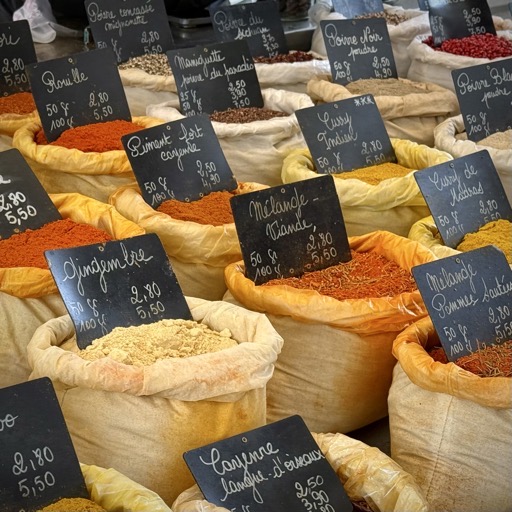
It was market day!

Spices.

There is a local delicacy, an octopus pie, called ‘Tielle’

The Royal Canal was built in 1666 by King Louis XIV

They were hand building a ship to get ready for a big boat festival that happens once every two years.

The view of Sète from on top of Mont St. Claire.

Entering the are where we will learn about oyster farming in the lagoon.

First she lays out the baby oysters in groups of two and then strings a nylon rope over them.

After a blob of cement, a third oyster gets placed on top to hold the rope in place

These will now move to the oyster ‘bed’ in the lagoon to hang there for about three years.

The upstairs speakeasy restaurant.

Yum.

There are two thousand of these oyster beds in the lagoon.

There are about five hundred ‘farmers’ sharing the oyster beds.

Domaine Saint-Andre was created in 1785.

Off to explore the cellars.

Au revoir, Sète.

The Perfect Sète-ing Read More »

Another Day, Another Dinner

Tonight we did the other restaurant, Manfredi’s, that specializes in Italian cuisine.

One word: Yum!

Classic Italian interior.

Insalata Caprese
Buffalo mozzarella, vine ripened tomatoes, basil, extra virgin olive oil

Risotto ai Funghi Porcini
Porcini mushroom risotto, Parmigiano Reggiano

Spaghetti all’Arrabbiata
Fresh spaghetti with garlic, parsley & spicy tomato sauce

Bistecca alla Fiorentina
Thick cut rib eye coated in garlic oil and rubbed with porcini mushroom powder, kosher salt, brown sugar & red chili flakes

Pescato del Giorno
Fish of the day as described by your waiter – Sea Bream

Tiramisu Classico
Mascarpone cream, coffee, savoiardi

Panna Cotta alla Nutella
Nutella panna cotta; salt crumble

Beginning to realize it is futile to try and walk it off after such a great meal.

Another Day, Another Dinner Read More »

Wine Not?

Todays exploration took us to the Bondol wine region.

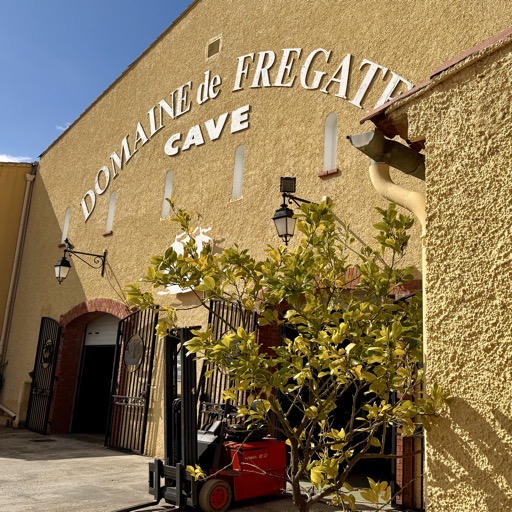
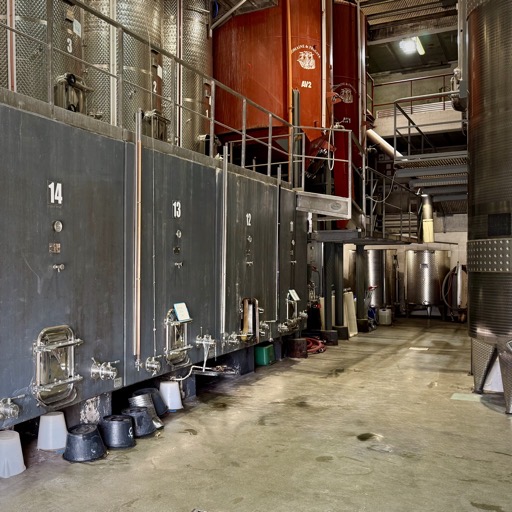
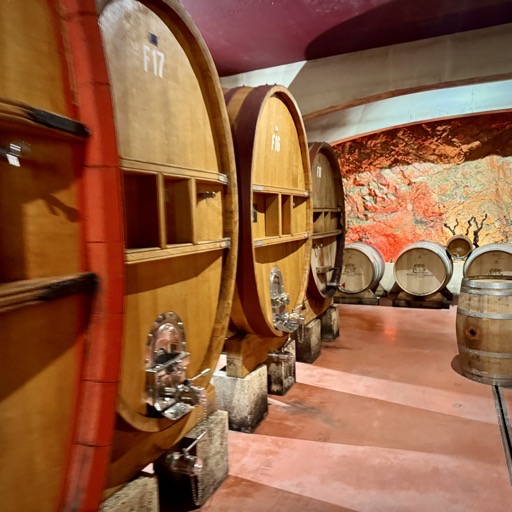
The first stop was at the Domaine de Fregate wine cellars to learn more about the wines here, and have a tasting, of course.

They have been making wines here for about 25 centuries and this is one of the oldest AOC’s (Controlled Area of Origin) in France.

It was fascinating to learn how strict they are about the AOC certification. It even specifies how many vines you can have on a root (2), and how many bunches of grapes you can have per vine. (Max 6)

From there we went to the tiny little medieval village of Le Castellet perched on a cliff. The village itself was so picturesque and the views of the surrounding countryside breathtaking.

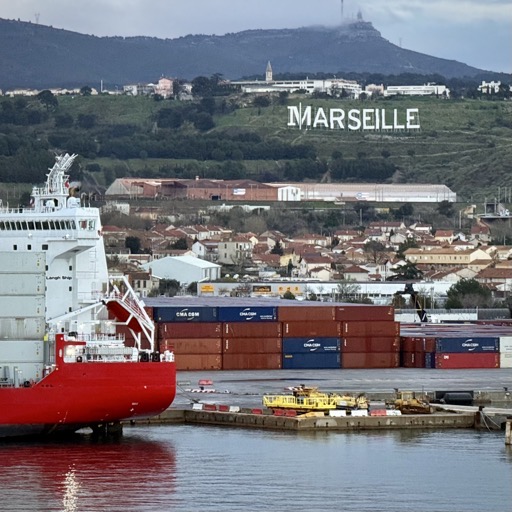
Good morning Marseille!

Winery on top of the slope.

The different varietals from the Bondol area.

The city gate.

The location that was used in a French movie by Pagnol from 1932, called La Femme du Boulanger.

Were the front arch curves into the ceiling, you can see the (now closed) window from where the ruler of the village would attend service since they could not mix with the commoners.

The views from up here are breathtaking.

This restaurant uses old gondola carriages as little eating rooms.

From our ship you can see the island where the Count of Monte Christo was imprisoned. Alexander Dumas was living in Marseille for part of the time while he was working on the story.

Wine Not? Read More »

A Very Tasty Table

Dinner tonight was a Korean tasting menu with wine pairing at the Chef’s Table.

It was a culinary feast that is difficult to describe in mere words, so let the pictures tell the story.

The Specialty Restaurant for tonight’s dinner.

Since South Korea is located at the southern end of the Korean peninsula, where cold currents and warm currents meet, it produces varied seasonal foods. Korean food is mainly barbecue, soup, rice and vegetable dishes. Anyone who has tried to make kimchi, a popular side dish consisting of spicy cabbage, would be impressed by this quintessence of Korean food culture. Korean barbecue is as famous as Korean kimchi and is loved by everyone.

In Korea, there is a saying that “food is one of the five blessings.” Korean food is characterized by five colors and five flavors. The five colors are red, white, black, green, and yellow, and are based on the Five Elements Theory. The colors are bright and beautiful, which are said to stimulate appetite.

The five flavors are sweet, sour, bitter, spicy, and salty. The five flavors mainly rely on rich seasonings and the seasonings are referred to as “Ta (yaonian)” in Chinese characters in Korea, which means “dishes with various seasonings are as beneficial to health as tonics.” One such indispensable ingredient is chili sauce. Korean food generally looks red and spicy, but there is actually a sweetness in Korean chili sauce, which makes it less spicy.

Tonight’s culinary voyage will allow you to taste refined Korean cuisine.

AMUSE BOUCHE

EEL CHAWANMUSHI
smoked sweet soy glazed eel, octopus, steamed egg custard

Commonly called “Körai chawan,” a bowl used for preparing and drinking tea, this small bowl of steamed eggs focuses on a smooth and delicate texture. The “umami” taste given by bonito flakes and kombu broth is light, but sweet. The combination of grilled seafood enhances the flavor of this home-cooked dish.

APPETIZER

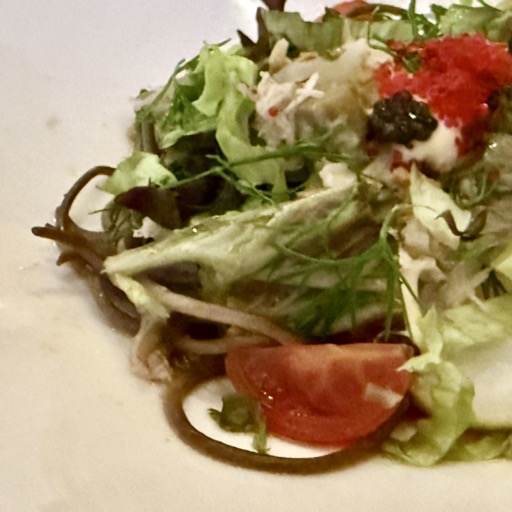
HEALTHY “OCEAN PARTY”
crab meat, scallop, tobiko, avocado, cucumber, mango, soba noodle; sesame mayo dressing

The ingredients of this salad are diverse, especially in the use of seafood. The sauce is a mix of Western and Asian flavors. This sesame-flavored seafood salad is sweet, fragrant and crisp in every bite.

SOUP

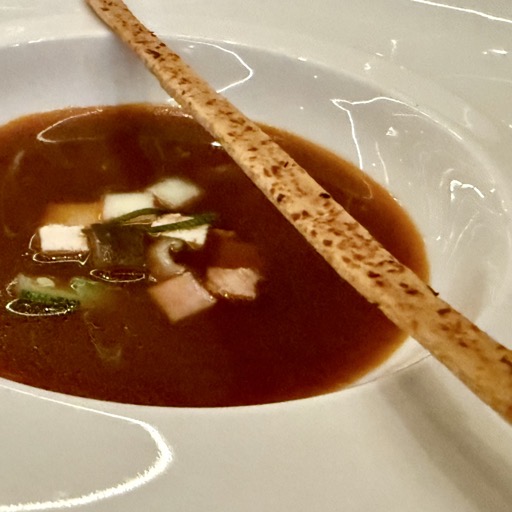
KOREAN SOUP POT
smooth tofu, mushrooms, zucchini, pork belly, Korean bean paste broth

Soup has been loved by Koreans since the Joseon Dynasty. Soybean paste, a common soup ingredient, is very easy to mix with other flavors. When cooked with meat, tofu and vegetables, it is delicious and healthy.

MAIN COURSE

THE MORE BBQ, THE MORE PROSPEROUS 
barbecued Korean marinated beef short ribs, pickled onion, sweet potatoes, green lettuce, chill pepper, cucumber; Korean BBQ sauce; kimchi fried rice 

Barbecue with kimchi is classic Korean cuisine.

Korean barbecue was introduced to ancient Korea from China. It originated from a method in Northeast China where the meat was first marinated and then grilled in order to preserve it for a longer period of time. This marinated, premium ribeye meat is served wrapped in lettuce, or with a bite of kimchi to add an extra layer of flavor.

DESSERT

A TOUCH OF FRESHNESS 
matcha cheesecake, yuzu ice cream

This dessert combines matcha-an ingredient that has been used in Korea since the 7th century-with the baking technique of Western food, presenting a light and soft cheesecake. The slight bitterness of matcha and the refreshing taste of yuzu ice cream relieve the heaviness of the cheese, reflecting the harmony in Korean cuisine.

Trying to walk off some of that feast.

A Very Tasty Table Read More »

We were Azur-ed

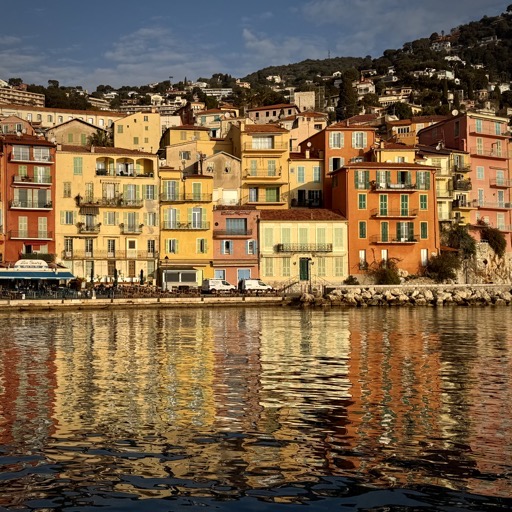
We docked on the famous Cote d’Azur near the small town of Villefrance-sur-Mer.

We tendered from the ship to the port and then went off to explore the principality of Monaco.

This whole area is so beautiful with charming coves and bays all along the coast. Of course, this area has been popular with the rich and famous for hundreds of years, so there is a cascade of mansions and palaces along the mountainsides that makes for a very scenic trip.

Good morning!

Leaving the ship by tender.

Villefrance-sur-Mer in the morning sun.

Our first stop in Monaco, the Musée Oceanographique de Monaco which was inaugurated in 1910 by Prince Albert 1. The famous deep see explorer, Jacques-Yves Cousteau, was director of the museum for more than 30 years.

The original deep sea submarine of Jacques-Yves Cousteau is on display outside the museum.

The decorations on the building are all sea creatures.

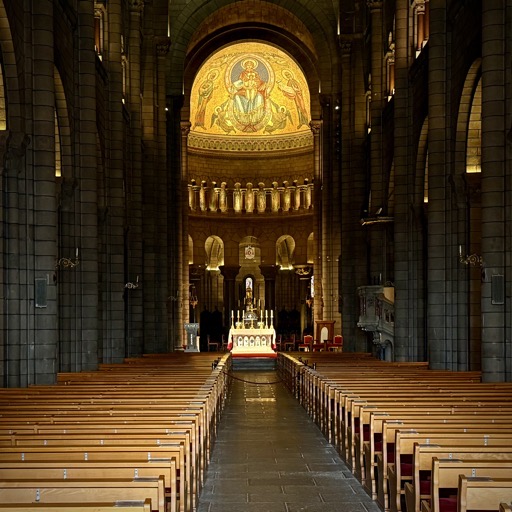
Cathedral of Our Lady Immaculate, also know as the Cathedral of Monaco, is a Romanesque-Byzantine Catholic church that contains the remains of many members of Monaco’s ruling family.

Grace Kelly’s final resting place.

The palace of the Prince of Monaco.

The Prince was in residence so there was a lot of other security as well as the guards.

A view of the racetrack of Monaco which is now being prepared for a visit from the pope. The side of the hill behind is the district of Monte Carlo.

Walking the streets in Monaco.

Nice, capital of the Alpes-Maritimes department on the French Riviera, sits on the pebbly shores of the Baie des Anges. Founded by the Greeks and later a retreat for 19th-century European elite, the city has also long attracted artists. Former resident Henri Matisse is honored with a career-spanning collection of paintings at Musée Matisse. Musée Marc Chagall features some of its namesake’s major religious works

Walking around Villefrance-sur-Mer.

The Rue Obscure (Dark Street) in Villefranche-sur-Mer is a 430-foot long 13th-century covered passageway in the Old Town. Originally a defensive, open-air walkway for soldiers, it was later covered by houses, creating a dark, tunnel-like alleyway..

A copy of the painting by Jean Cocteau at the entrance to the Rue Obscure.

Waving goodbye as we head back to the ship.

A final vista as the soft rain comes in.

We were Azur-ed Read More »

Pasta la Vista

We headed out early this morning to the other side of Florence to a castle high up on the surrounding hills, the Castello Del Trebbio.

We were there for a castle tour before a pasta cooking class.

It was so much fun. The chef was funny and very gentle with us, and everybody pitched in at some point or another.

Then we got to eat the fruits carbs of our labor, with some wine from the farm.

The castle was originally built as a part of the fortification of the city-state of Florence, and later turned into a castle by the Pazzi family.

The location is famous as the hatching point of the ‘Pazzi Conspiracy’

The Pazzi Conspiracy of April 26, 1478, was a failed plot by the Pazzi family, Pope Sixtus IV, and others to overthrow the Medici family’s rule in Florence. 

They failed in their mission and the Pazzi family was ruined and nearly erased from history.

Many years later the castle and the property was purchased by a wealthy family from Milan that started making olive oil and wine.

They also rent out the three other houses on the farm since the family still lives in the castle.

Chianti from the farm in the cellar beneath the castle.

They keep some of the original chianti wine that gave the wine such a bad reputation. Chiantis these days are exceptional.

The oldest wines in the cellar.

The original clay jars they used for olive oil production before stainless steel tanks. These are just for display.

Our Master Chef and trainer for the day: Jerry.

First two are up making the pasta dough.

Then make the sauces that will go on the pasta.

Next step, rolling out the rested dough until you can see through it.

Then cutting it, by hand.
In the Master Chef’s words: ‘If you see red, stop.’

We all graduated pasta cooking class!

Now we get to enjoy lunch.

Started with the antipasto made from products mostly from the farm.

The final version of our hard work!

It turned out really good, surprisingly.

The wines from the farm we tasted.

After a big pasta lunch, moving is slow.

Heading back.

Pasta la Vista Read More »

Marketing We Will

We decided to do a quick afternoon trip into the little port town Livorno to go look at the market.

Sadly, it was at the end of closing when we got there and most of the stalls were shuttered.

We wandered a little through the streets, stopped for some ‘nibbly-bits and drinky-poos’ and headed back to the ship.

The main hall is decorated with Neoclassical and art nouveau elements in the so-called Liberty style and boasts almost 200 stalls.

The Mercato Centrale is the second largest indoor market in Europe, second only to the Boqueria in Barcelona. 

Livorno is lined with canals and is sometimes referred to as ‘Little Venice’ or ‘New Venice’

Our show tonight was a selection of popular opera songs by two local opera singers. David Regeshi and Alessandra Tanzi.

Marketing We Will Read More »

Scroll to Top