Our day started with a nice early morning walk through the quiet streets with only the occasional firecracker going off. Last night was such a big party night in the city that there is no doubt people are sleeping in.
We learned the most fascinating facts during our tour and saw a selection of the more than three hundred Fallas. More than fascinating.
We spent the rest of the day in the city enjoying the atmosphere and watching people.
At some point, sitting in a narrow street near a corner, we regularly saw the dressed ladies followed by a band walk by and disappear again, just the echoes of the music remaining. It was such a unique experience.
The Fallas festival is a spectacular 5-day event in Valencia, Spain (March 15-19), celebrating Saint Joseph and the arrival of spring with massive satirical papier-mâché monuments called fallas. Neighborhoods display these intricate, costly structures before burning them in huge bonfires known as La Cremà on March 19th, symbolizing renewal.
It is a UNESCO Intangible Cultural Heritage of Humanity celebration that brings together community pride, artistry, and political satire, allowing for a symbolic cleansing through fire, where old energy is released to welcome spring.
The tradition dates back to the Middle Ages, when local carpenters burned old scraps of wood and debris to mark the end of winter on the feast day of their patron saint, Saint Joseph (March 19).
La Plantà (March 15-16): The act of erecting the 700+ massive fallas(monuments) and smaller ninots (puppets) overnight.
Mascletà (March 1-19, 2 PM): A daily, loud, rhythmic firecracker exhibition in the Plaza del Ayuntamiento.
La Ofrenda (March 17-18): An emotional flower offering to the Virgen de los Desamparados (Our Lady of the Forsaken), where a giant wooden statue of the Virgin is filled with floral bouquets by thousands of falleros.
La Cremà (March 19): The grand finale, where the fallas are set on fire around midnight, starting with the children’s monuments.
Only one small piece of a falla, the ninot indultat (chosen by public vote), is saved from the fire, becoming a permanent exhibit in the city’s Fallas Museum.
The streets are filled with non-stop music, marching bands, food festivals featuring churros and buñuelos, and fireworks.
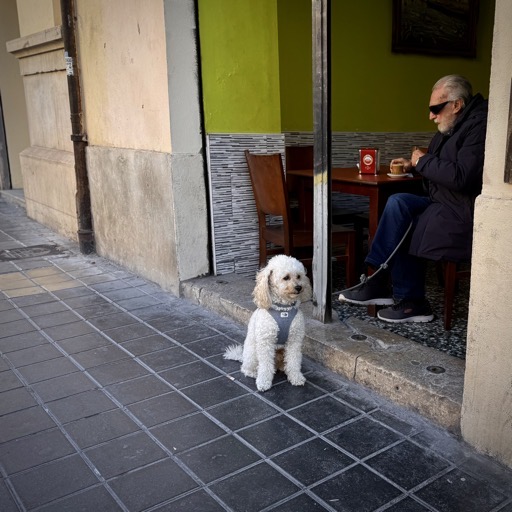
There was a lot of partying late into the night. Early morning on the way to our tour we saw a lot of people moving slow and wearing sunglasses.
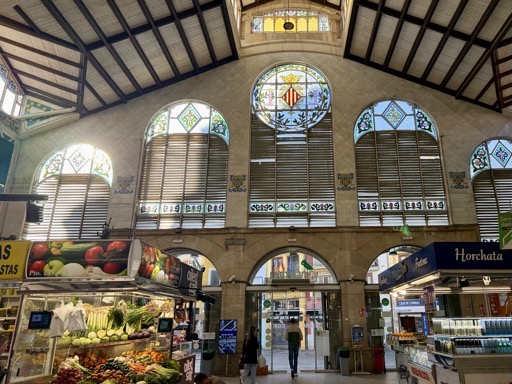


Setting up the daily fireworks, which are just noise makers with colored dust. They are really really REALLY loud.


The origin of Fallas as told by the guide.
Originally, the farm workers build stands with lanterns on for light during the winter. At the equinox they would then burn the lantern to symbolize going into spring and the longer (and brighter) days.
Later on they would add other burnable materials for a bigger fire.
At some point they started to get creative with it and make the piles into figures, mostly satirical.
The modern Fallas are all still very themed, and invariably includes satirical elements.
They still get burned!

Every area usually creates two Fallas, the big one and a little one for the children. The themes for the child Fallas are always educational.

The detail they can get with only paper mache and wood is incredible.

Some of these are up to 24 meters tall and can cost up to €600,000. And everything gets burned to ashes on the 19th of March.


There are also more ‘avant-garde’ and experimental Fallas. This one was about gentrification and on the last day, before burning, it will be filled with little blue people that symbolize out-of-towners.
A few of them even move.

These dresses are part of the tradition. Each one is unique.


A random mini-parade.

A blacksmith shop in the middle of town.


Starting tomorrow, on the 17th of March, there will be a two-day parade with everybody dressed up. The costumed people from each neighborhood will start at their Fallas and followed by a band, walk to this square and place flowers on this statue.
The design that the flowers make is different every year and kept a secret.


More and more people in the streets every day.