Dinner tonight was a Korean tasting menu with wine pairing at the Chef’s Table.
It was a culinary feast that is difficult to describe in mere words, so let the pictures tell the story.


Since South Korea is located at the southern end of the Korean peninsula, where cold currents and warm currents meet, it produces varied seasonal foods. Korean food is mainly barbecue, soup, rice and vegetable dishes. Anyone who has tried to make kimchi, a popular side dish consisting of spicy cabbage, would be impressed by this quintessence of Korean food culture. Korean barbecue is as famous as Korean kimchi and is loved by everyone.
In Korea, there is a saying that “food is one of the five blessings.” Korean food is characterized by five colors and five flavors. The five colors are red, white, black, green, and yellow, and are based on the Five Elements Theory. The colors are bright and beautiful, which are said to stimulate appetite.
The five flavors are sweet, sour, bitter, spicy, and salty. The five flavors mainly rely on rich seasonings and the seasonings are referred to as “Ta (yaonian)” in Chinese characters in Korea, which means “dishes with various seasonings are as beneficial to health as tonics.” One such indispensable ingredient is chili sauce. Korean food generally looks red and spicy, but there is actually a sweetness in Korean chili sauce, which makes it less spicy.
Tonight’s culinary voyage will allow you to taste refined Korean cuisine.

AMUSE BOUCHE
EEL CHAWANMUSHI
smoked sweet soy glazed eel, octopus, steamed egg custard
Commonly called “Körai chawan,” a bowl used for preparing and drinking tea, this small bowl of steamed eggs focuses on a smooth and delicate texture. The “umami” taste given by bonito flakes and kombu broth is light, but sweet. The combination of grilled seafood enhances the flavor of this home-cooked dish.
APPETIZER
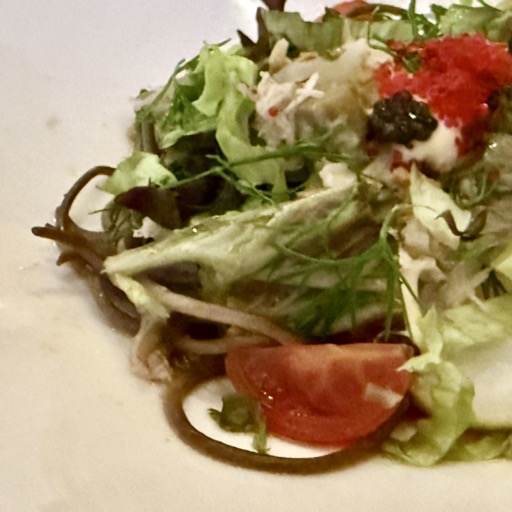
HEALTHY “OCEAN PARTY”
crab meat, scallop, tobiko, avocado, cucumber, mango, soba noodle; sesame mayo dressing
The ingredients of this salad are diverse, especially in the use of seafood. The sauce is a mix of Western and Asian flavors. This sesame-flavored seafood salad is sweet, fragrant and crisp in every bite.
SOUP
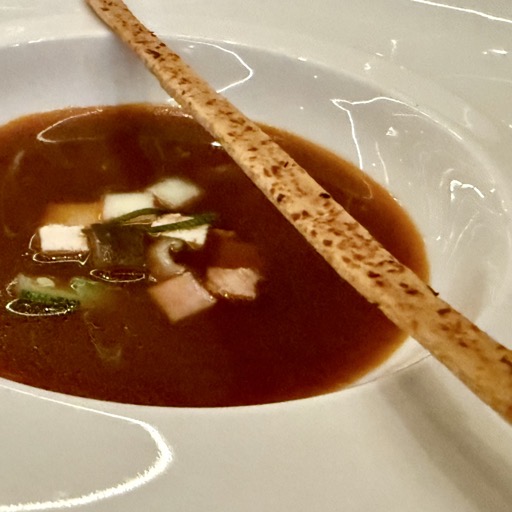
KOREAN SOUP POT
smooth tofu, mushrooms, zucchini, pork belly, Korean bean paste broth
Soup has been loved by Koreans since the Joseon Dynasty. Soybean paste, a common soup ingredient, is very easy to mix with other flavors. When cooked with meat, tofu and vegetables, it is delicious and healthy.


MAIN COURSE
THE MORE BBQ, THE MORE PROSPEROUS
barbecued Korean marinated beef short ribs, pickled onion, sweet potatoes, green lettuce, chill pepper, cucumber; Korean BBQ sauce; kimchi fried rice
Barbecue with kimchi is classic Korean cuisine.
Korean barbecue was introduced to ancient Korea from China. It originated from a method in Northeast China where the meat was first marinated and then grilled in order to preserve it for a longer period of time. This marinated, premium ribeye meat is served wrapped in lettuce, or with a bite of kimchi to add an extra layer of flavor.

DESSERT
A TOUCH OF FRESHNESS
matcha cheesecake, yuzu ice cream
This dessert combines matcha-an ingredient that has been used in Korea since the 7th century-with the baking technique of Western food, presenting a light and soft cheesecake. The slight bitterness of matcha and the refreshing taste of yuzu ice cream relieve the heaviness of the cheese, reflecting the harmony in Korean cuisine.
